Demystifying E-Bike Motors: The Tech of 2025
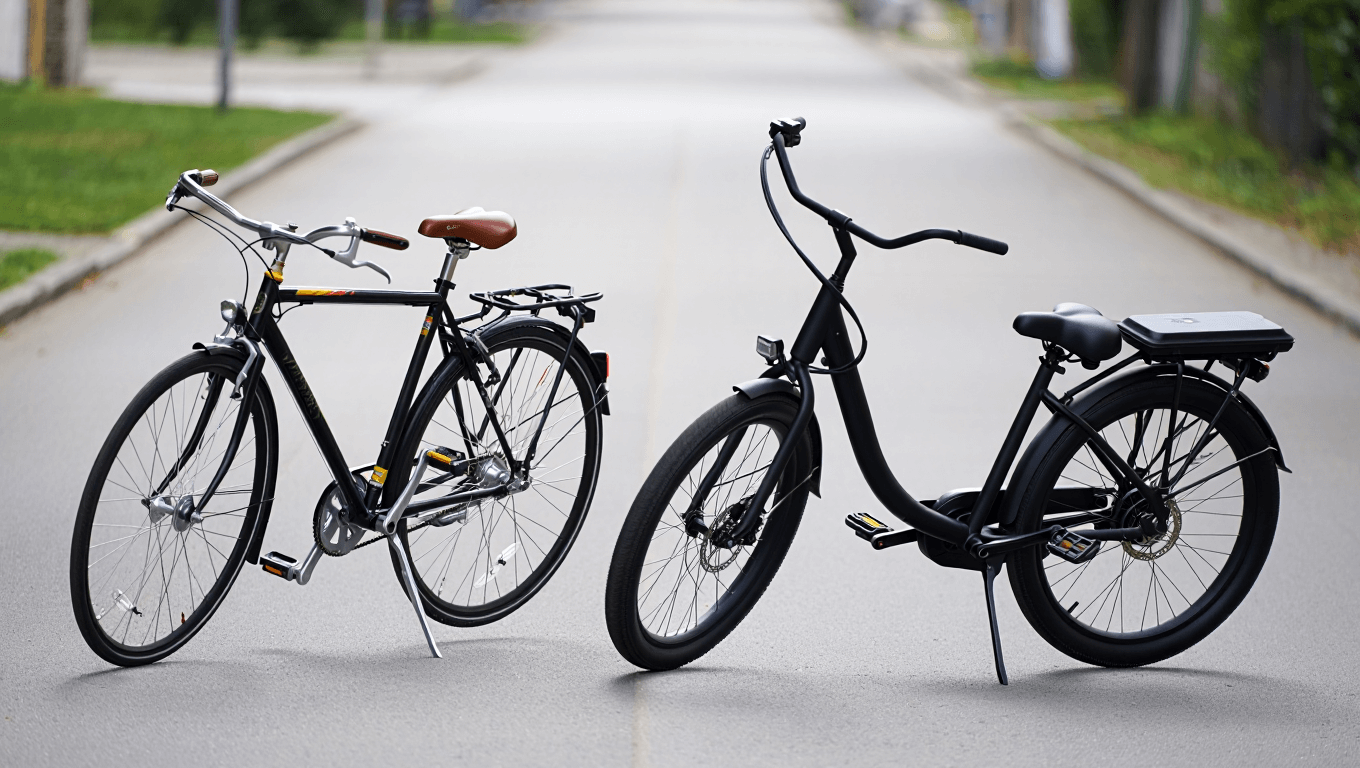
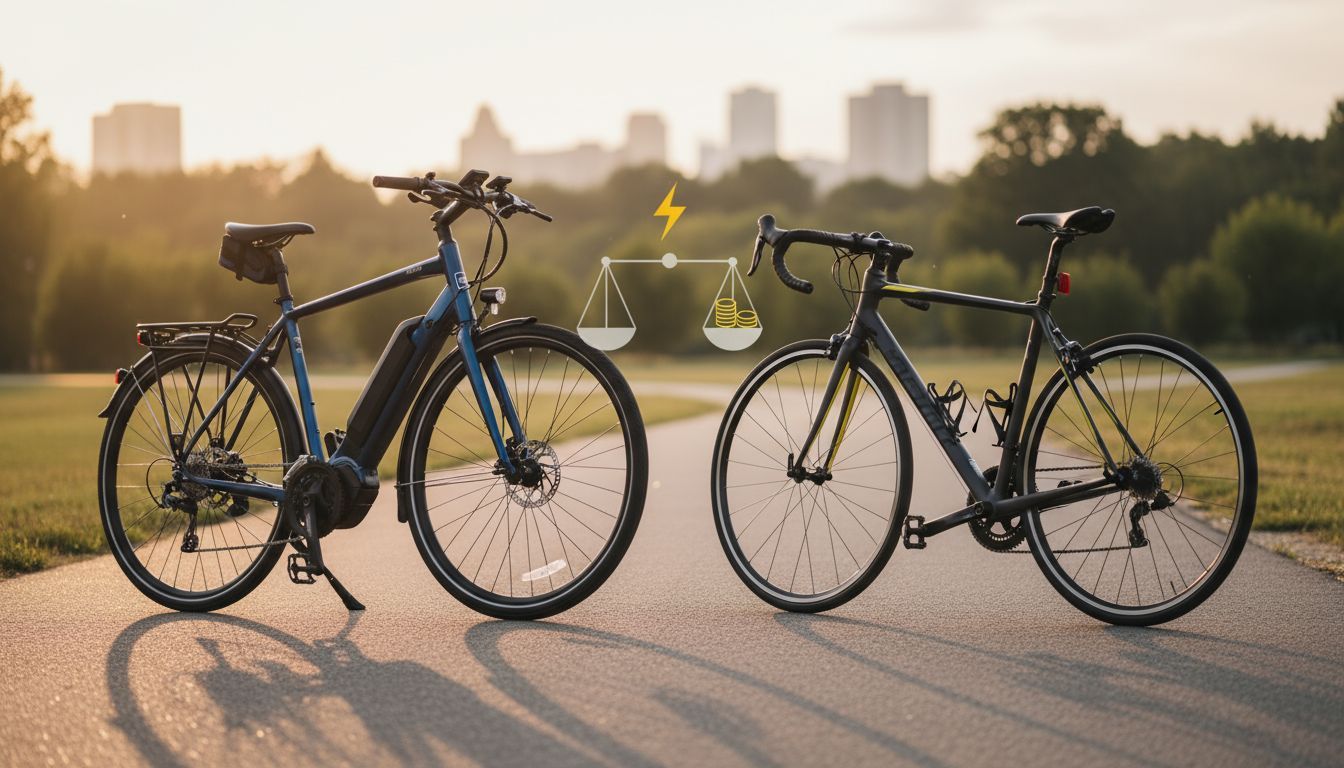
The most expensive part of your e-bike is the motor system, yet it's the part most buyers understand the least. Should the motor be at the pedals (Mid-Drive) or in the wheel (Hub Motor)? In 2025, both technologies have reached maturity, but they offer radically different riding experiences. Making the wrong choice can lead to a bike that struggles on your local hills or costs a fortune in maintenance.

1. Mid-Drive Motors: The High-Performance Choice
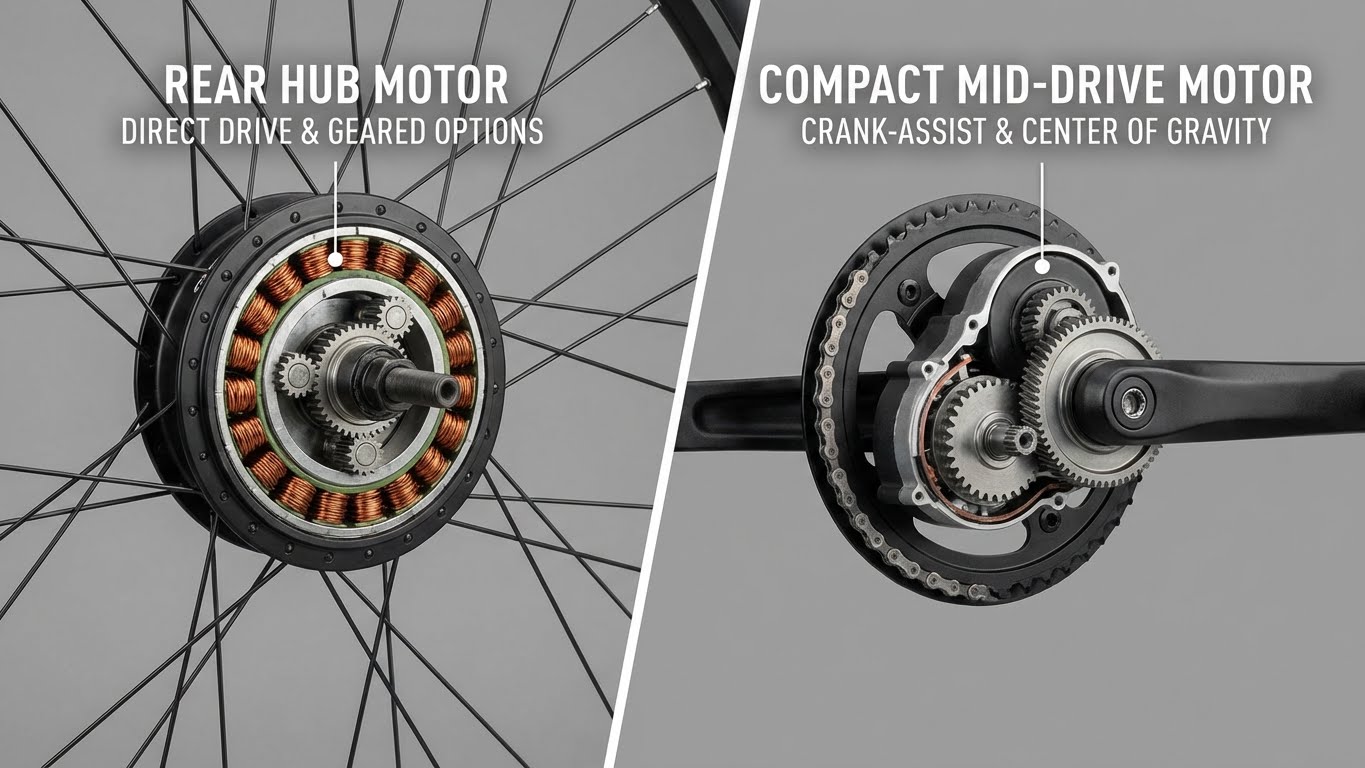
Mid-drive motors (Bosch, Shimano, Specialized) sit at the bike's center of gravity. They don't drive the wheel; they drive the chain. This allows the motor to use the bike's existing gears.
The Advantage: Just like a car engine, the motor stays in its 'power band.' If you shift into a low gear for a steep hill, the motor gains massive mechanical advantage. This makes mid-drives far superior for mountain biking and cargo hauling.
2. Hub Motors: The Reliable Commuter
Hub motors sit inside the rear (or front) wheel. They are independent of the drivetrain. If your chain breaks, a hub motor bike with a throttle can still get you home.
The Advantage: Simplicity. They put zero wear on your chain and gears. For flat city commuting, they are often more reliable and significantly cheaper than mid-drive systems.
3. The 'Feel' Factor
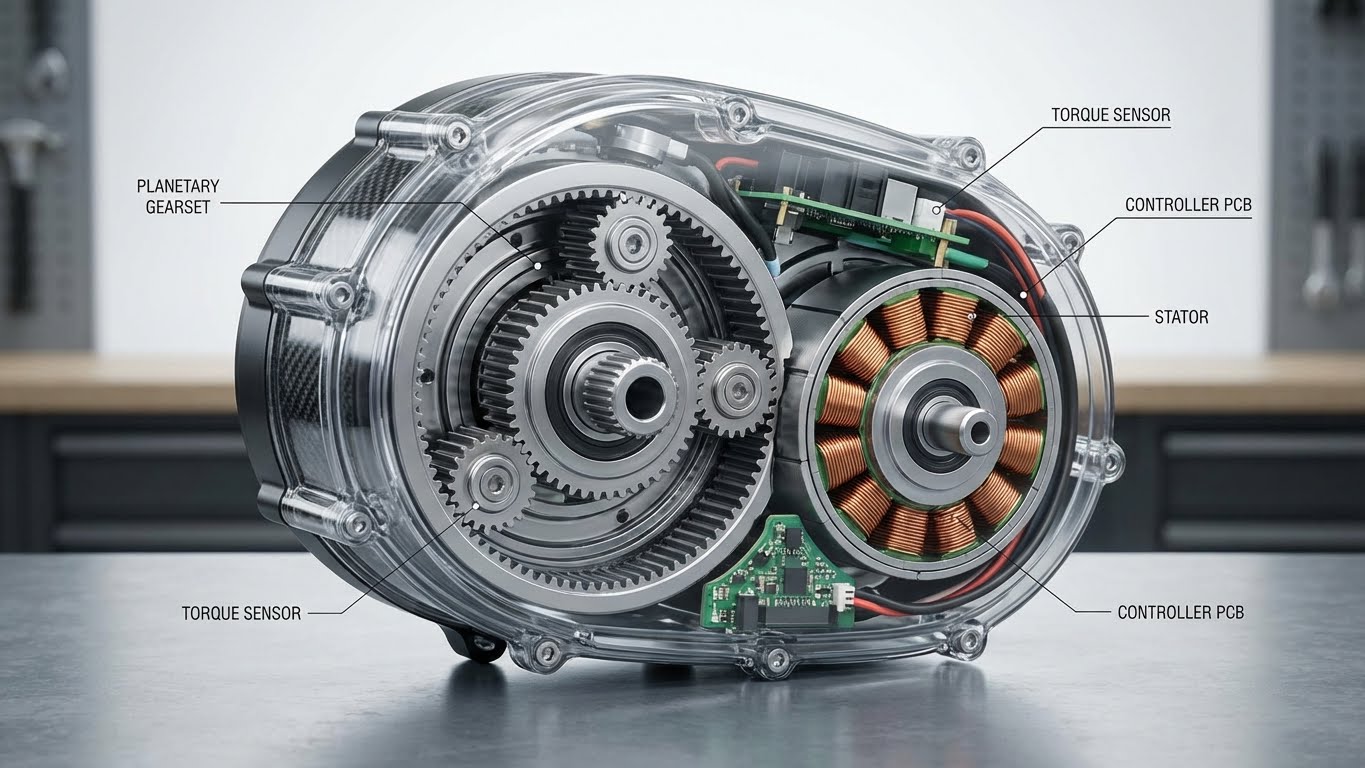
In 2025, mid-drives almost always include a Torque Sensor. They feel like you have superhuman legs—the power is subtle and natural. Hub motors often use Cadence Sensors, which act more like an 'on/off' switch, providing a 'pushed' sensation that many urban riders find effortless.
Conclusion
Choose Mid-Drive if you have a high budget, live in a hilly area, or want to ride off-road. Choose a Hub Motor if you want a low-maintenance city commuter that is easy on the wallet.