Breaking the 'Shrink It and Pink It' Myth
For decades, the cycling industry treated women's bikes as an afterthought. In 2025, that has completely changed. Led by brands like Liv Cycling and Juliana, women's bikes are now built using gender-specific anatomical data. This goes beyond color; it's about geometry, suspension tuning, and touchpoints that respect the biomechanical differences in power delivery and center of gravity.

1. Why Women-Specific Geometry Matters
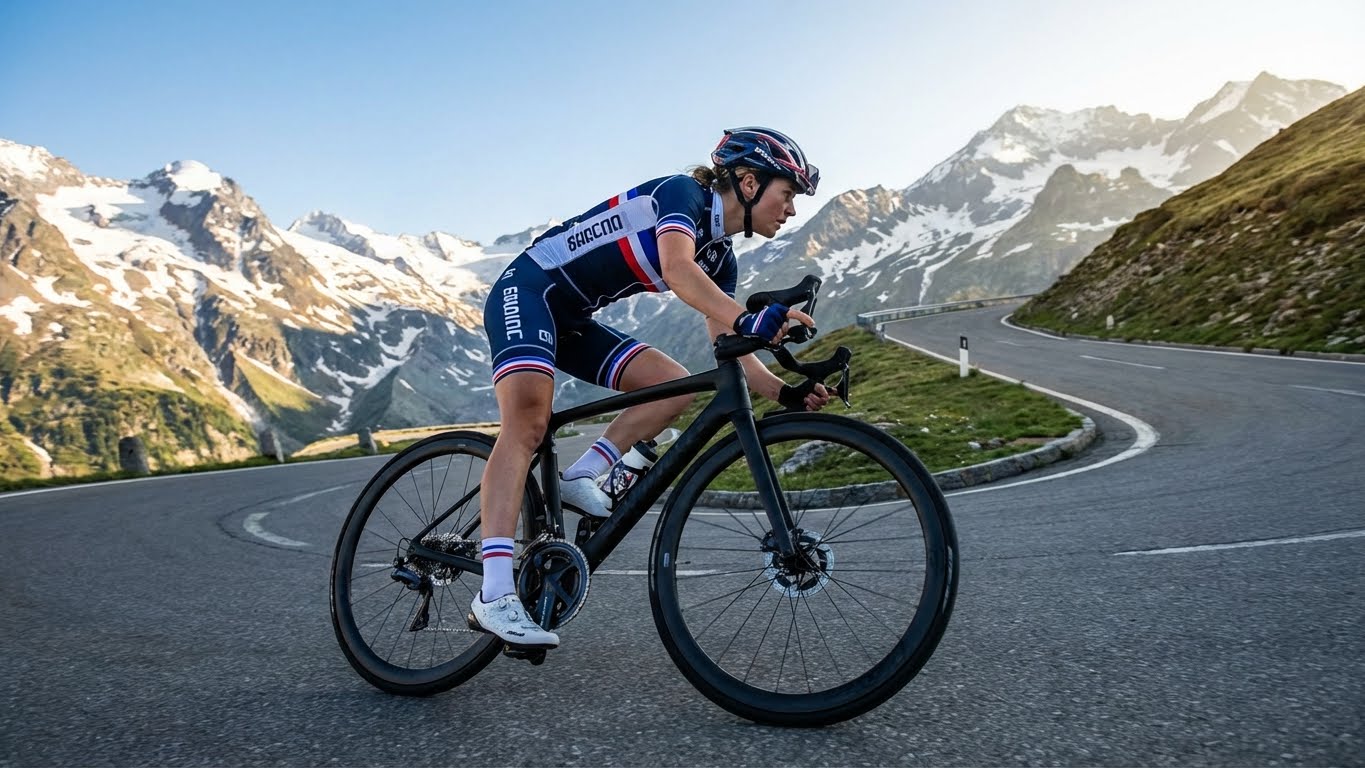
On average, women have shorter torsos and longer legs relative to their height compared to men. A 'unisex' bike often feels too long, causing the rider to overstretch and experience lower back or neck pain. Women-specific frames often feature a shorter 'reach' and a higher 'stack,' allowing for a more powerful and comfortable position.
2. The Three Critical Touchpoints
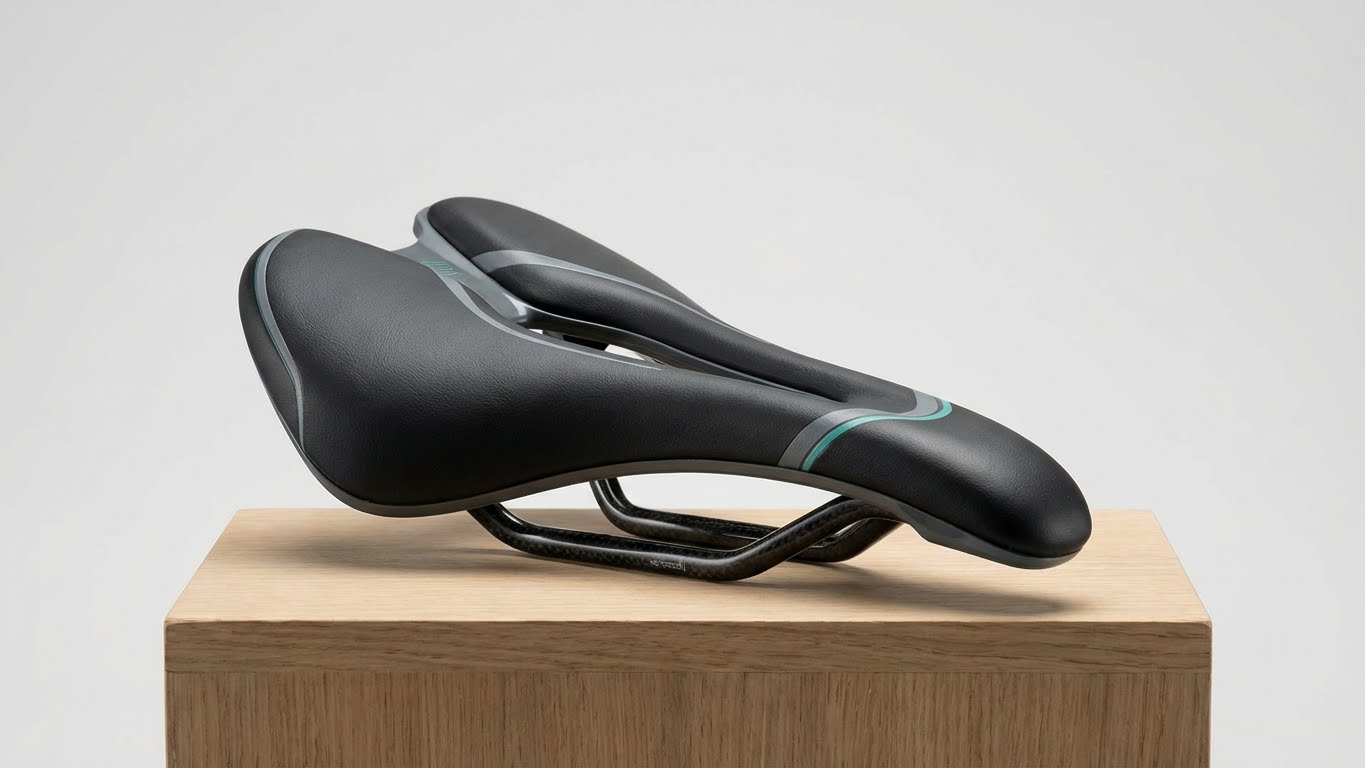
- The Saddle: This is the most common source of discomfort. Women's saddles are typically wider at the back to support sit-bones and feature a specific 'cut-out' to relieve soft-tissue pressure.
- Handlebar Width: Women generally have narrower shoulders. Standard 44cm road bars can cause shoulder strain; most women-specific bikes now come stock with 38cm or 40cm bars.
- Brake Levers: For riders with smaller hands, many 2025 hydraulic systems offer 'reach adjustment,' bringing the lever closer to the bar for safer braking.
3. Suspension Tuning for Lighter Riders
One often overlooked feature in 2025 is shock tuning. Most 'unisex' mountain bike forks are tuned for an 80kg (175lb) rider. Women-specific bikes like the Juliana Furtado feature a 'lighter' factory tune, allowing the suspension to actually move and provide traction for riders in the 50-65kg range.
Conclusion
In 2025, the best bike for a woman isn't necessarily a 'woman's bike'—it's the bike that fits her individual anatomy. However, starting with a gender-specific model often provides a much better baseline for comfort and performance.