Don't Stop Pedaling: Master the Cold in 2025
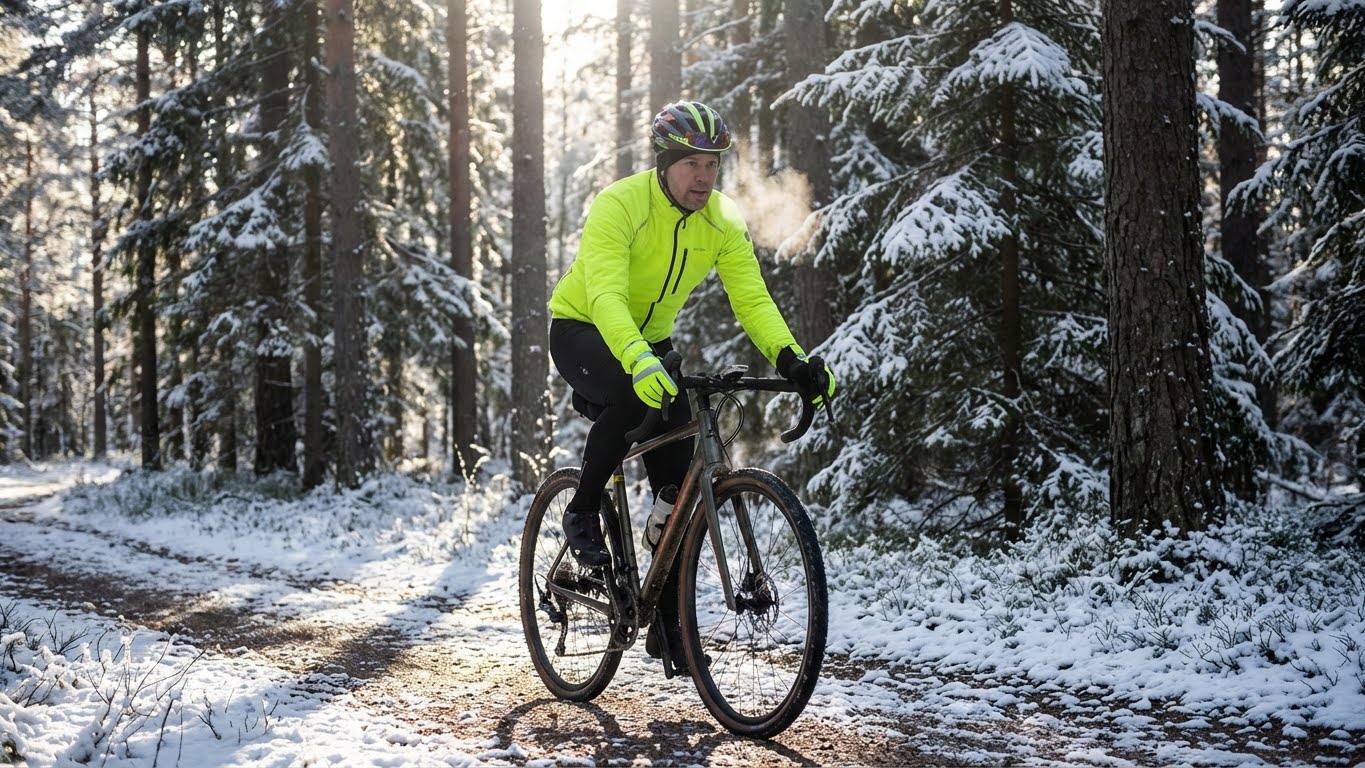
Winter cycling used to be the domain of only the most 'hardcore' riders. In 2025, thanks to high-tech heated apparel and e-bike traction control systems, riding through the snow is becoming a mainstream fitness activity. However, cold, salt, and slush are brutal on machinery. To keep riding safely until spring, you need a specific winterization strategy.
1. Mechanical Winterization: Salt is the Enemy
If your city uses salt to melt ice, your bike is at risk. Salt accelerates oxidation on your chain and can seize your brake calipers.
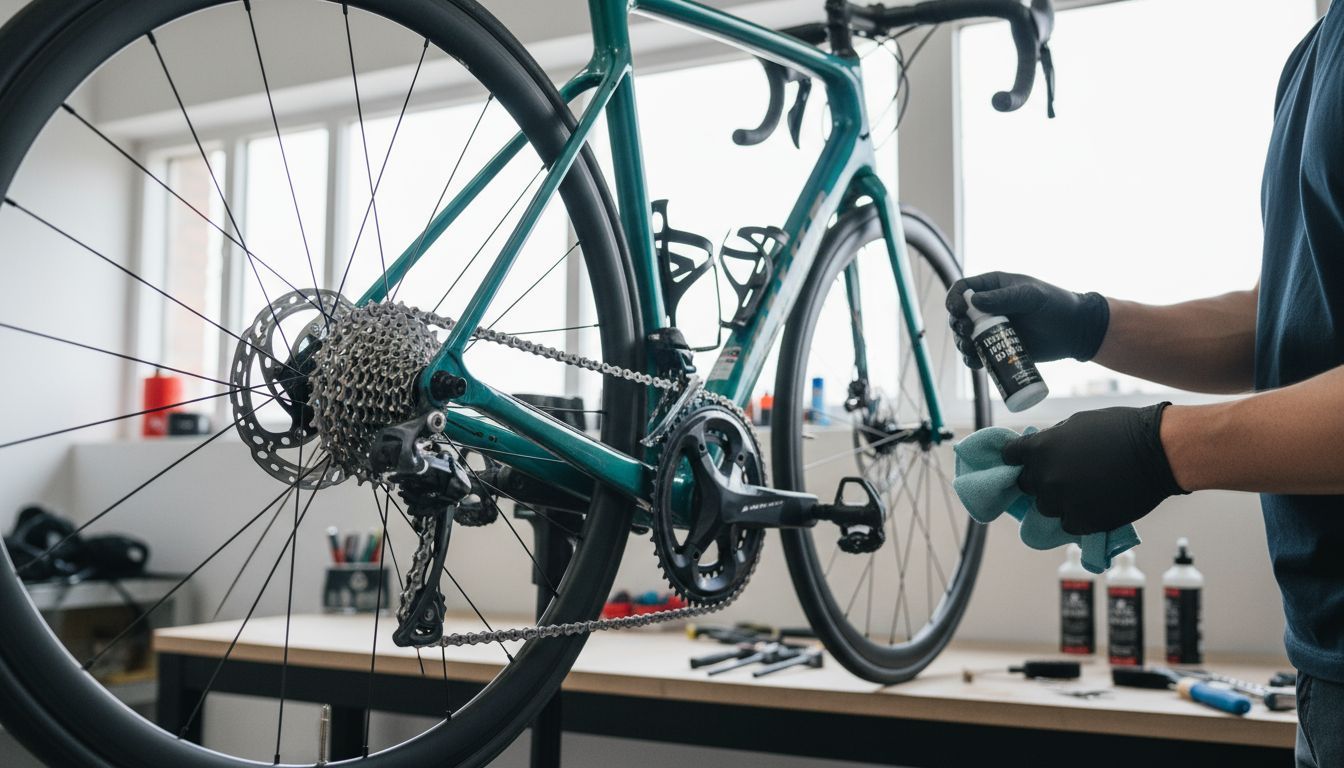
The Solution: Use a 'Wet' lubricant. It is thicker and stickier than dry lube, designed to repel water and salt. After every ride, a quick rinse with fresh water (avoid high-pressure hoses near bearings) will save you hundreds in replacement parts.
2. Tires: Traction is Safety
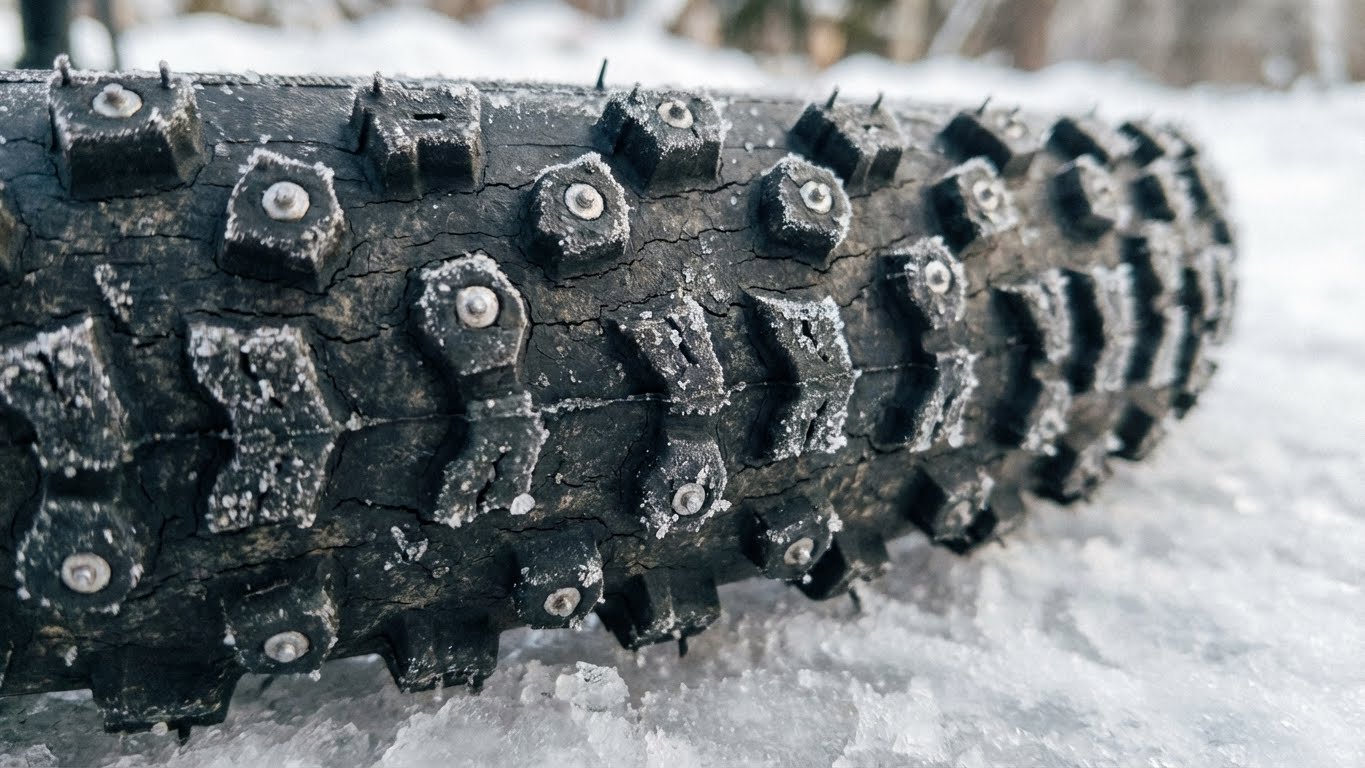
In 2025, we recommend Studded Tires for anyone facing ice. Small carbide studs provide incredible grip on frozen surfaces where even fat tires would slip. If you only deal with slush, look for a 'winter' compound tire with deeper siping to channel water away from the contact patch.
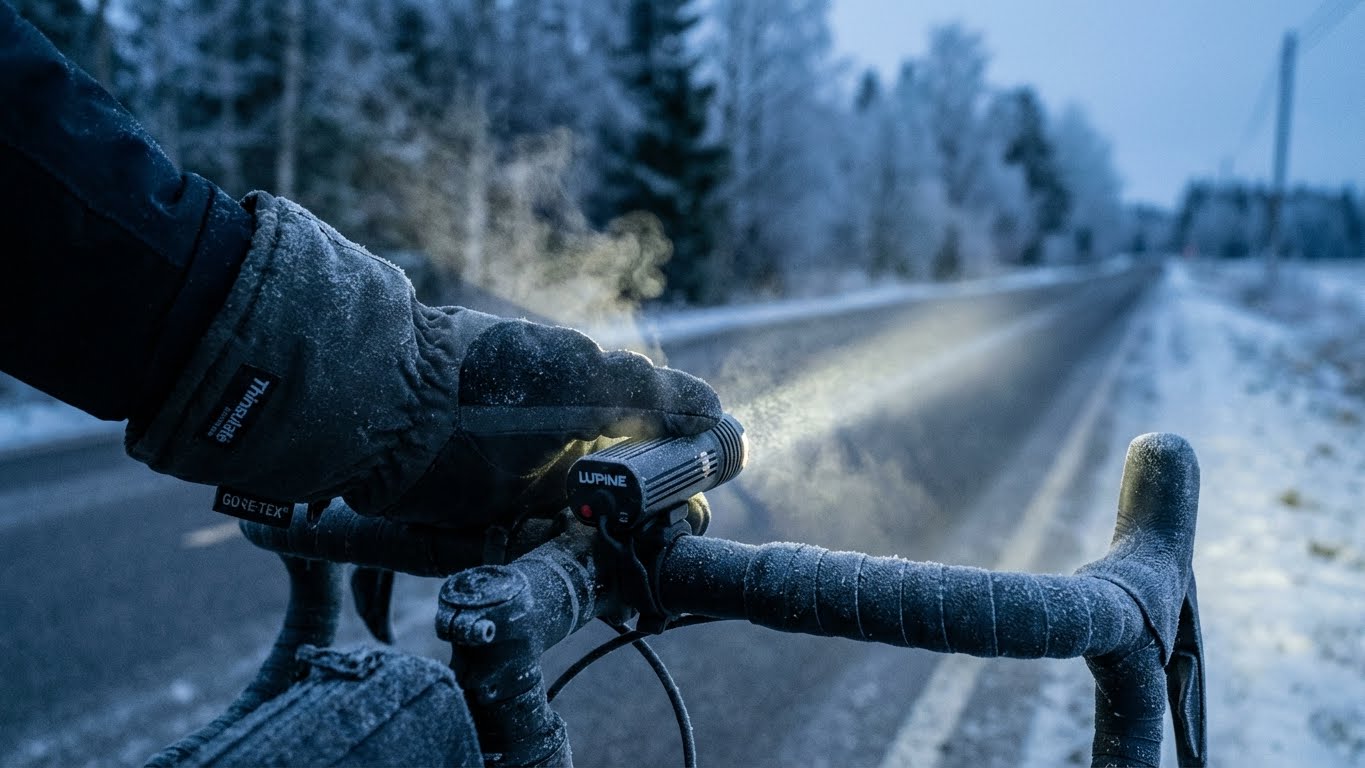
3. E-Bike Specific Winter Care
Lithium-ion batteries are chemically sensitive to cold. In 2025, many riders use 'Battery Jackets'—neoprene sleeves that retain the heat generated by the battery during use.
Crucial Tip: Never charge a frozen battery. Bring it inside, let it reach room temperature for 2 hours, and then plug it in. Charging at sub-freezing temperatures can cause permanent 'plating' of the lithium, killing your battery life.
Conclusion
Winter cycling isn't about being 'tough'; it's about being smart. With the right layers and a slightly more frequent maintenance schedule, you can enjoy a 12-month cycling season without fear of the elements.