Stop the Range Anxiety: Maximize Your Battery Potential
Range anxiety—the nagging fear that your battery will die five miles from home—is the number one concern for electric bike owners. While your battery's watt-hour (Wh) capacity is a fixed physical limit, the actual distance you can travel is highly variable. In fact, a skilled rider can often squeeze 30% more distance out of the same charge compared to a beginner.
1. The Secret is in the Tires
Rolling resistance is the greatest enemy of efficiency. If your tires are even 10 PSI below their optimal pressure, the motor has to work significantly harder to overcome the 'drag.' Check your tire sidewall for the recommended range and aim for the higher end if you are riding on smooth pavement. Not only will you go further, but your tires will last longer too.
2. Shift Like a Pro
Many e-bike riders treat the motor like a moped engine, staying in a high gear and relying on the motor to 'lug' them up hills. This is the fastest way to kill a battery.
The Rule: Always shift into a lower (easier) gear before you come to a stop or start a climb. Keeping your cadence around 70-80 RPM allows the motor to operate in its peak efficiency zone, consuming far less current.
3. Mastering the 'Eco' Strategy
In 2025, e-bike controllers have become much smarter. 'Eco' mode isn't just low power; it's a finely tuned assistance level. Use 'Turbo' or 'Boost' only for the steepest 5% of your ride. Using the lowest level of assist on flat sections can add 10 to 15 miles to your total trip. Remember: the motor is an assistant, not a replacement for your legs.
4. Maintain a Clean Drivetrain
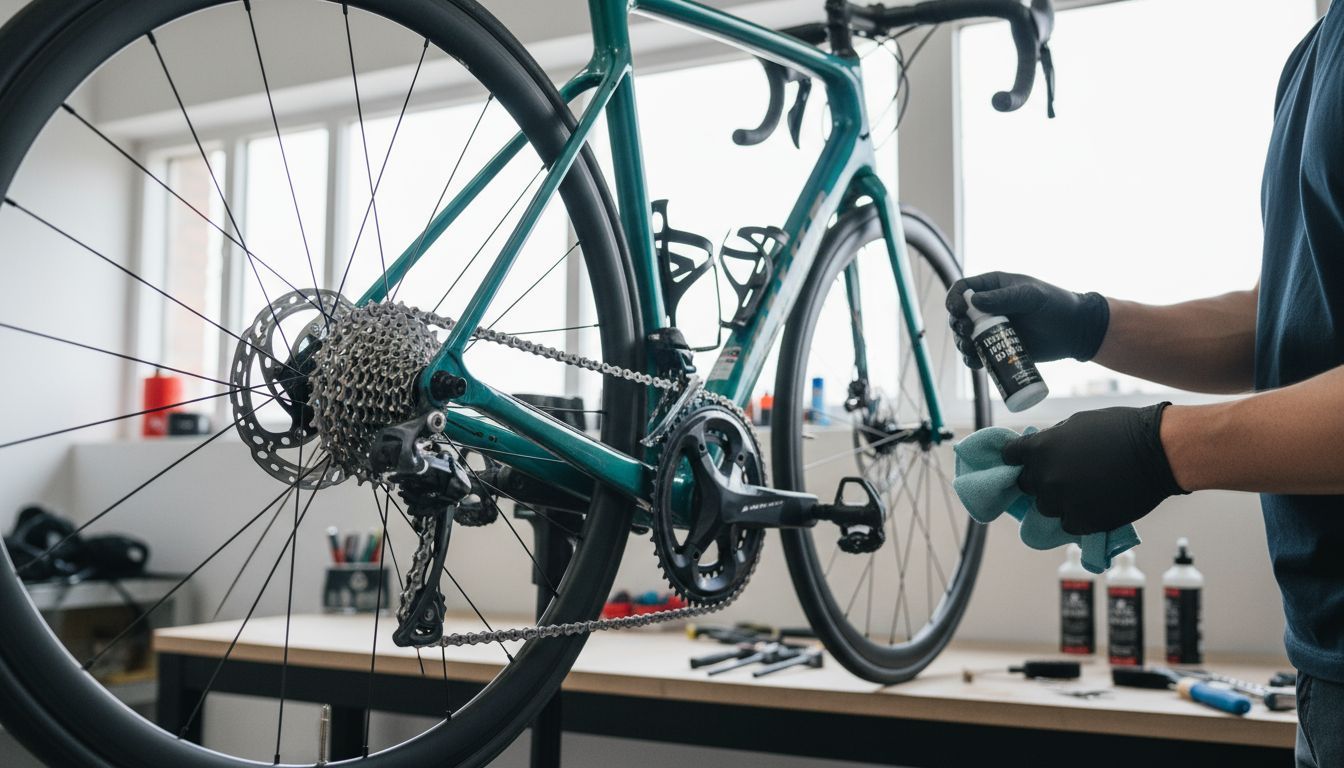
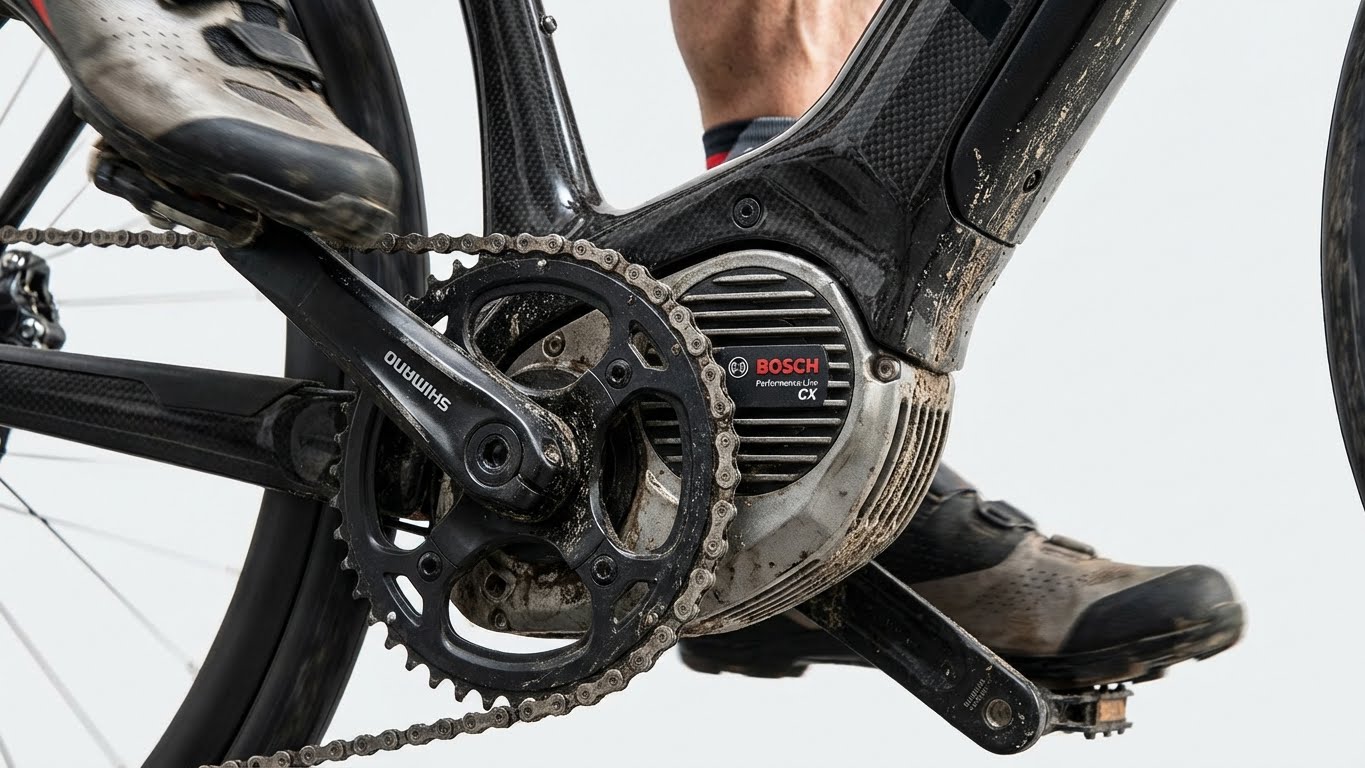
A dirty, gritty chain is a source of massive mechanical friction. If your chain is 'crunchy,' you are wasting watts. Clean your chain every 100 miles and use a high-quality lubricant. For e-bikes, we recommend 'e-bike specific' wet lubes which are designed to handle the higher torque loads without breaking down.
5. Aerodynamics and Weight Management
At speeds over 15 mph, wind resistance becomes the primary drain on your battery. Flapping jackets and bulky, half-empty panniers act like parachutes. If you want maximum range, wear tighter clothing and remove unnecessary weight (like heavy locks or tools you don't need) from your bike bags.
6. Temperature Management
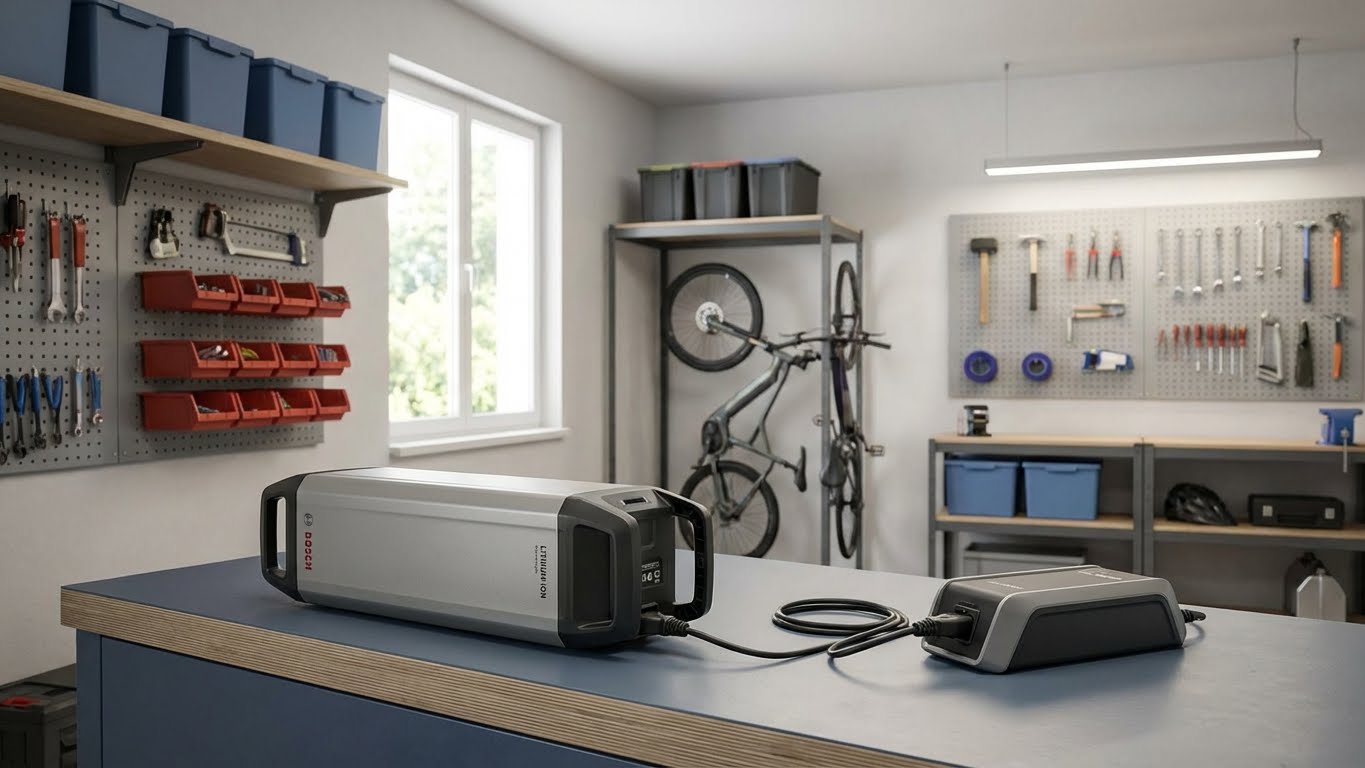
Lithium-ion batteries are chemically sensitive. In cold weather (below 40°F / 5°C), the internal resistance increases, and range can drop by 20% instantly. If possible, store and charge your battery inside your home. Only attach it to the bike right before you head out into the cold to keep the internal cells warm as long as possible.
Conclusion
By combining these seven methods, you can transform your e-bike from a short-range commuter into a long-distance touring machine. It's about being mindful of how you ride and maintaining your equipment. Your battery is your fuel—don't waste it!