Safety Meets Innovation: Protecting Your Most Vital Asset
Choosing a helmet is the most important decision any cyclist makes. In 2025, the technology inside that 'styrofoam hat' has advanced more than in the previous twenty years combined. We are no longer just protecting against skull fractures; we are protecting against complex brain injuries. At Bicycle & Bike, we've analyzed the latest safety lab data and field-tested 15 of the top models to bring you the definitive rankings for 2025.

1. The MIPS Revolution and Beyond
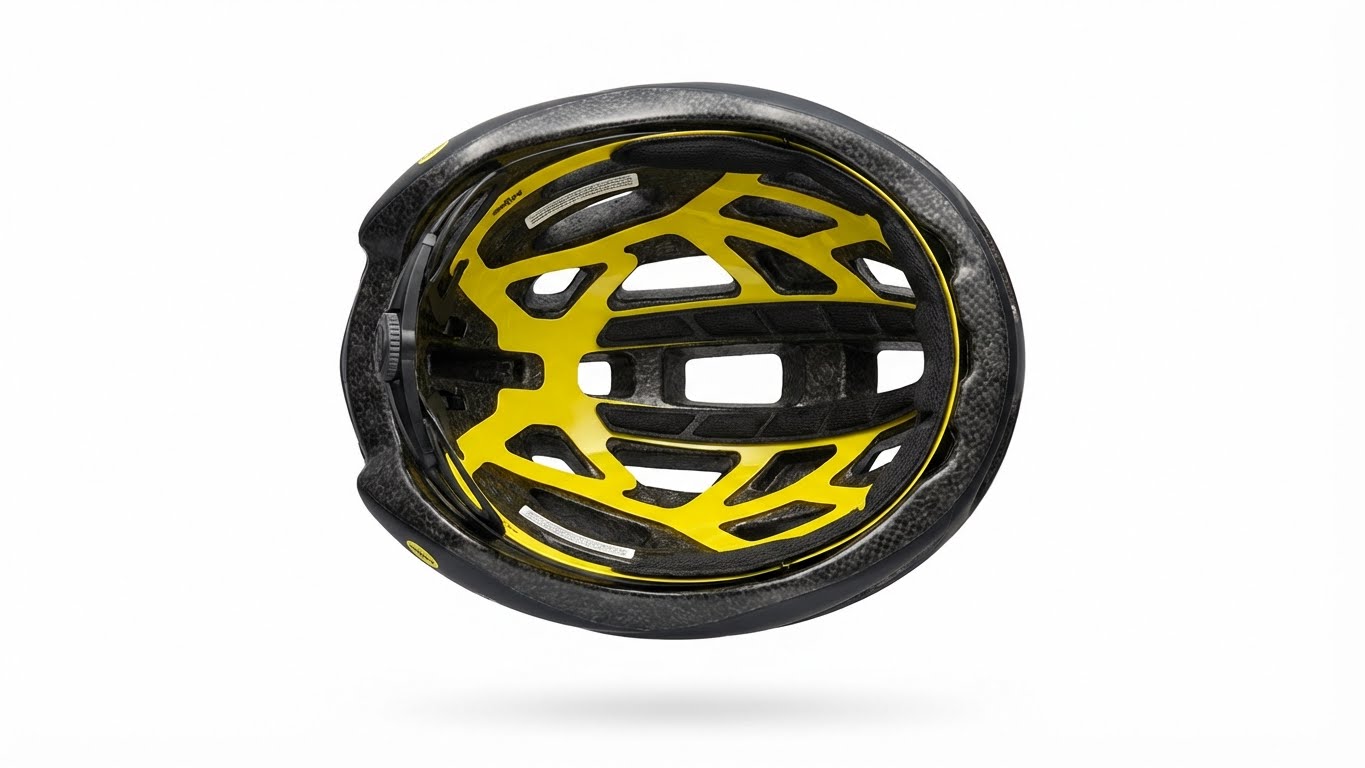
The biggest advancement in recent years is Rotational Impact Protection. Most traditional helmets were only tested for direct, linear impacts. However, real-world crashes almost always involve an angled hit that causes the brain to rotate inside the skull. Systems like MIPS (Multi-directional Impact Protection System) allow the helmet to slide independently of the head, absorbing that dangerous energy. In 2025, look for 'MIPS Air Node' for road racing or 'Spherical Technology' for maximum protection.
2. Ventilation: Keeping Your Cool
A helmet you don't want to wear because it's too hot is a safety hazard. Modern helmets like the Specialized S-Works Prevail 3 have moved away from traditional foam 'bridges' in favor of internal aramid cables. This allows for massive air channels that pull heat away from your head even at low speeds. For 2025, 'cooling efficiency' is just as important as weight.
3. The Specialized Needs of E-Bike Riders
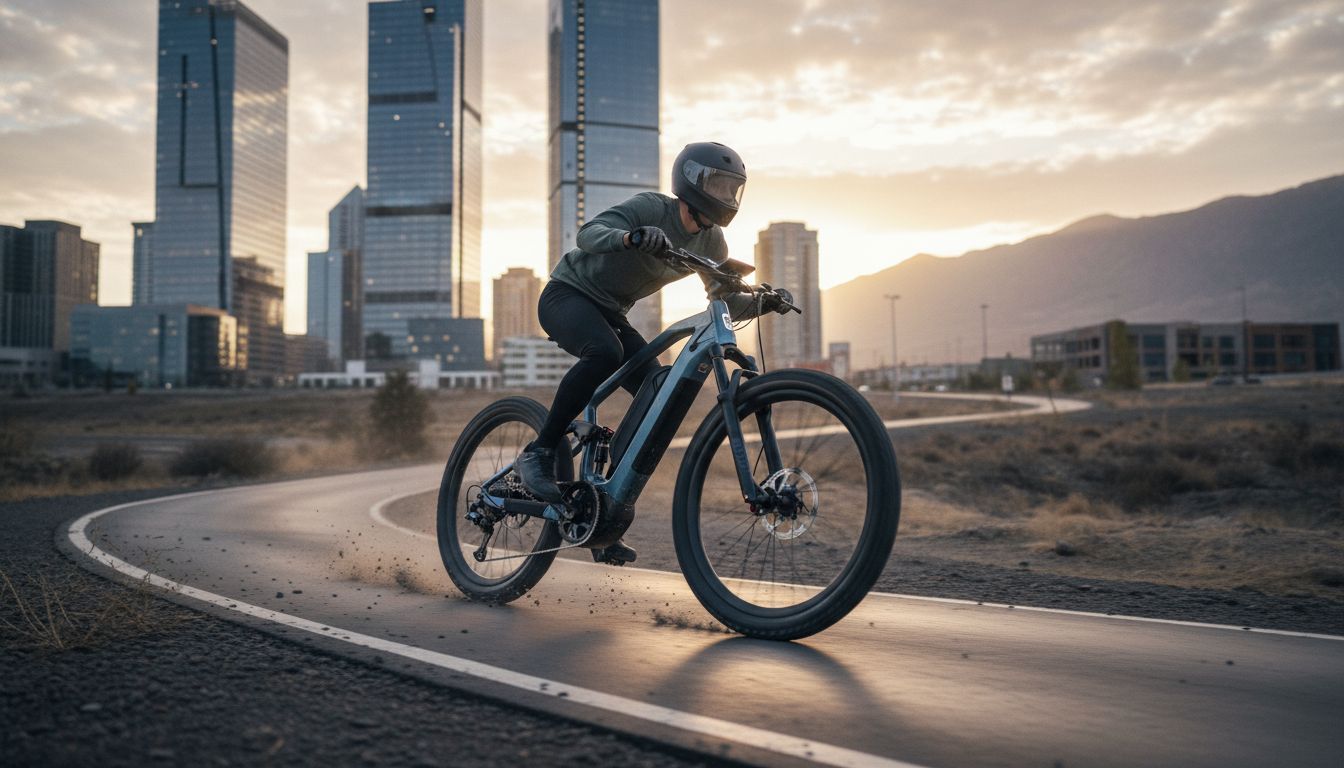
As e-bikes become faster, traditional bicycle helmet standards (CPSC) are being outpaced. In 2025, we recommend e-bike commuters look for the NTA-8776 certification. These helmets are specifically tested for higher speeds (up to 28 mph) and cover more of the temporal and occipital regions of the head.
Our Top 3 Picks for 2025
- Best Overall Road: Specialized S-Works Prevail 3 — Unmatched cooling and 5-star safety rating.
- Best Budget Safety: Giro Fixture MIPS II — Incredible value with full rotational protection.
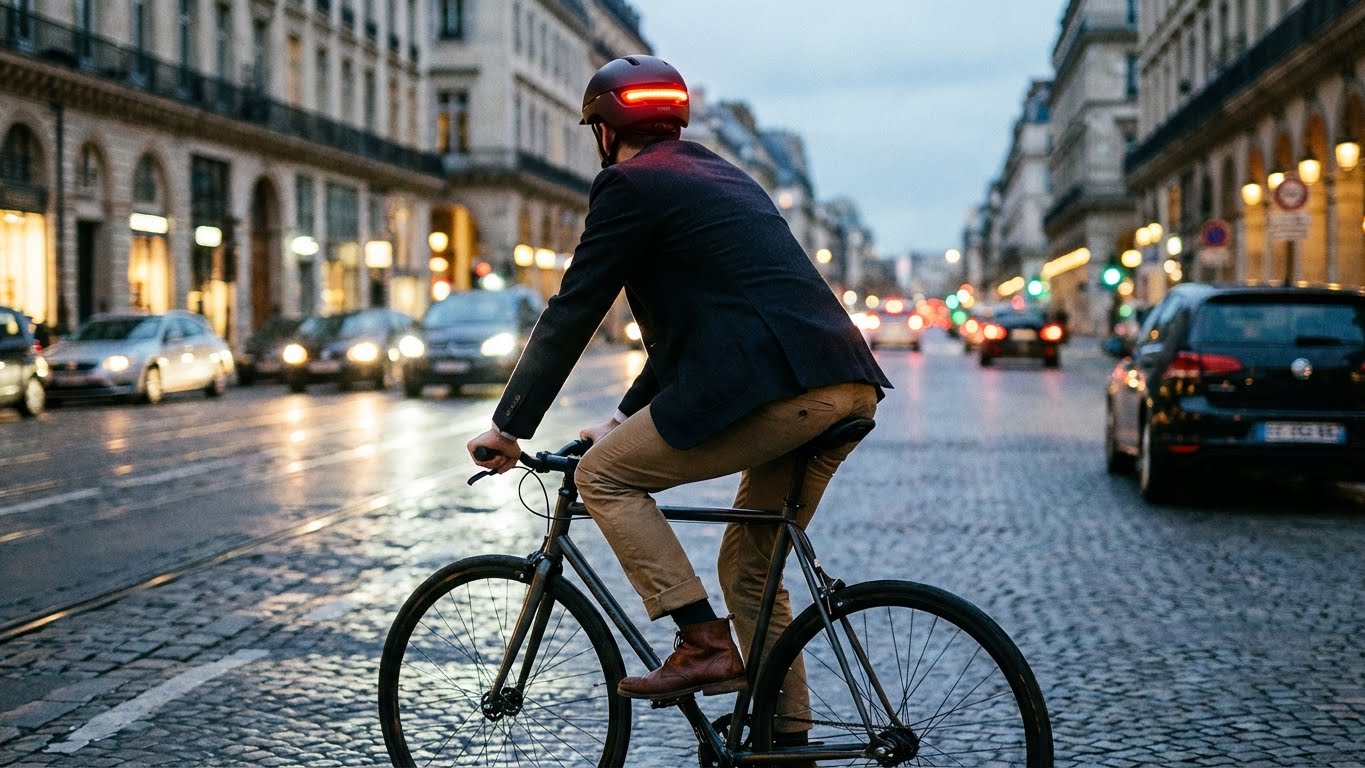
- Best for Commuters: Lazer CityZen KinetiCore — Built-in impact protection and great style for the office.
When Should You Replace Your Helmet?
Even if you haven't crashed, you should replace your helmet every 3 to 5 years. The EPS foam becomes brittle over time due to UV exposure and sweat. And remember: any significant impact means the helmet has done its job and must be retired immediately. Many brands now offer a 'crash replacement' discount to help you get back on the road safely.
Conclusion
In 2025, there is no excuse to ride without top-tier protection. Safety technology has become affordable and stylish. Check the Virginia Tech Helmet Ratings before you buy, and ensure your helmet is properly fitted—level on your head, and snug under your chin.