The Great Debate: Pavement Performance vs. All-Terrain Versatility
In the world of cycling, the lines between categories are blurring more every year. Ten years ago, the choice was simple: if you wanted to ride on pavement, you bought a road bike; if you wanted to ride on dirt, you bought a mountain bike. Today, the Gravel Bike has disrupted the entire industry. As we head into 2025, many riders are wondering if they still need a dedicated road bike or if one 'do-it-all' gravel machine is the better investment for their lifestyle.
1. Geometry: Speed vs. Endurance
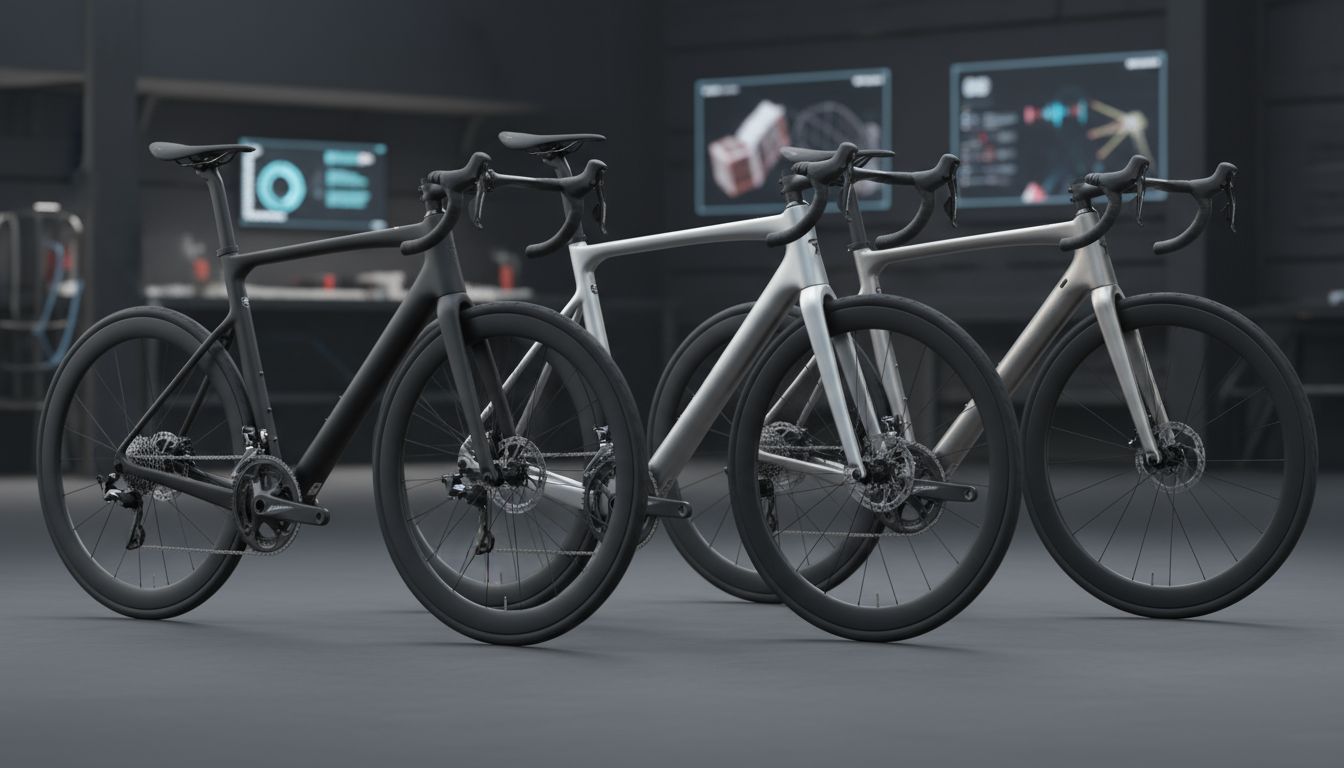
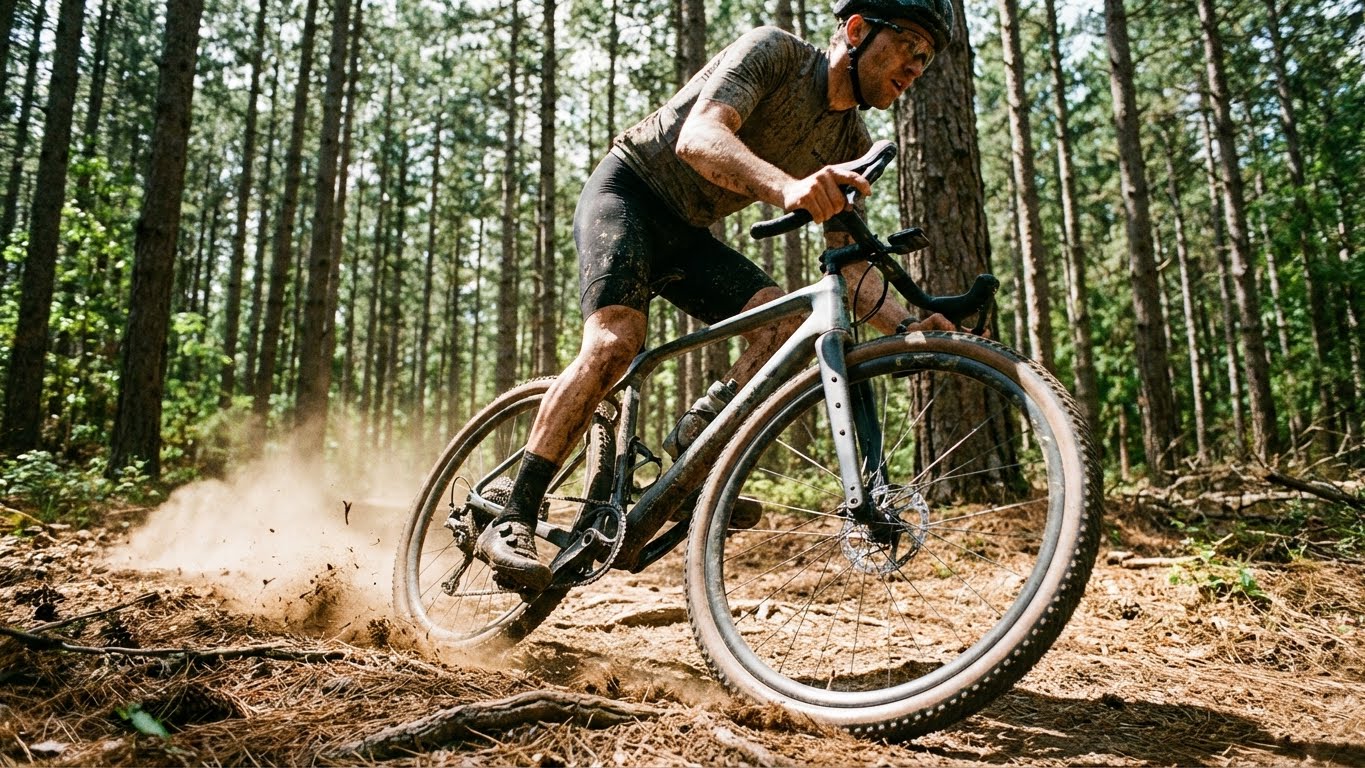
The most significant difference lies in 'Endurance Geometry.' Traditional road bikes are designed for aerodynamics and razor-sharp handling. They feature a shorter wheelbase and a steeper head tube angle, which makes the bike feel 'twitchy' and responsive—perfect for racing but potentially tiring on long, casual rides.
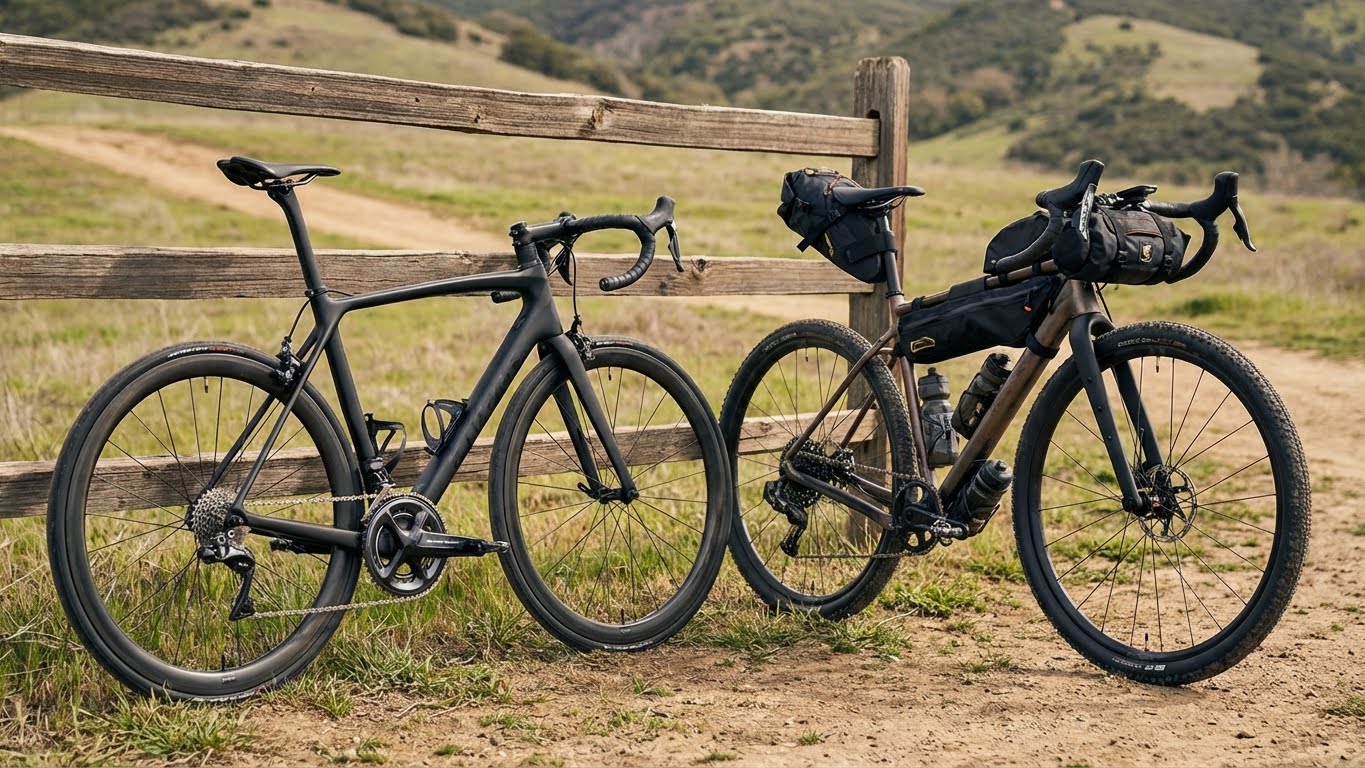
Gravel bikes, by contrast, are inspired by mountain bike stability. They feature a longer wheelbase and a slacker head tube angle. This design prevents the bike from being easily deflected by rocks or loose dirt. Furthermore, a taller stack height puts the rider in a more upright position, significantly reducing strain on the lower back, wrists, and neck.
2. Tire Clearance: The Game Changer
Tire technology is the true driver of the gravel revolution. In 2025, even 'race' road bikes have moved toward 28mm or 30mm tires for comfort. However, gravel frames are built to accommodate massive 45mm or even 50mm tires.
- Road: Narrow tires at high pressure offer minimal rolling resistance on smooth asphalt but feel harsh on cracks and potholes.
- Gravel: High-volume tires allow you to run lower air pressures (25-35 PSI). This creates a 'pneumatic suspension' effect that absorbs road chatter, gravel, and light forest trails without the need for heavy mechanical shocks.
3. Gearing and Braking
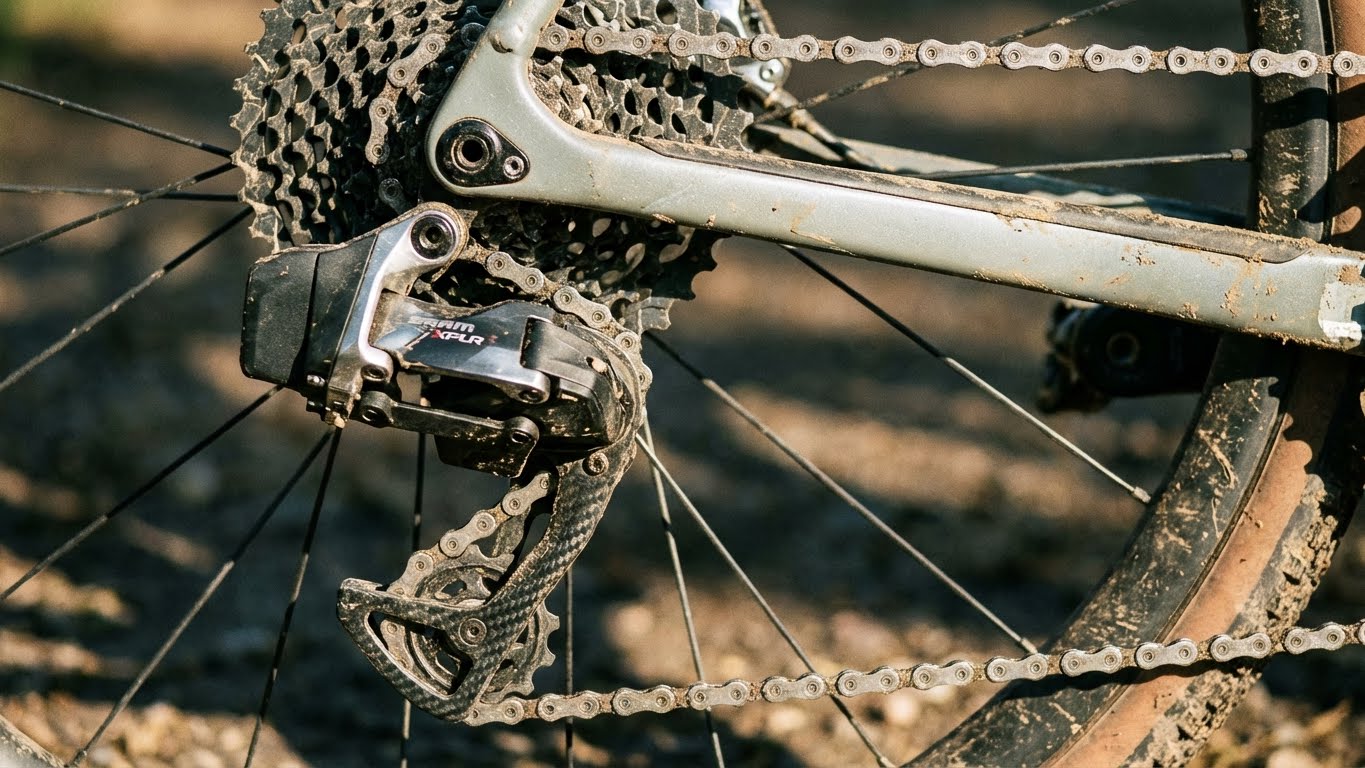
Modern gravel bikes often use 1x (one-by) drivetrains—meaning a single chainring in the front and a massive cassette in the rear. This simplifies shifting and prevents the chain from falling off on bumpy terrain. Road bikes still prefer 2x systems to provide smaller 'jumps' between gears, helping high-performance riders maintain a perfect pedaling cadence.
The 'Quiver Killer' Strategy
Many of our experts at Bicycle & Bike now recommend the 'Two-Wheelset Strategy' for 2025. By purchasing a high-quality gravel bike and an extra set of lightweight wheels with 28mm slick tires, you essentially own two bikes. On Saturday, you can join a fast road group ride; on Sunday, you can swap wheels in 60 seconds and head into the woods for a bikepacking adventure.
Conclusion: Which is Right for You?
Choose a Road Bike if you live for the 'A-Group' hammer ride, love the feeling of pure acceleration, and have access to perfectly paved roads. Choose a Gravel Bike if you prioritize comfort, value versatility, and want a bike that doesn't stop just because the pavement does. In 2025, for the average recreational rider, the gravel bike is almost always the more practical and fun investment.